

Why Prairie Rivet Is the Trusted Choice for Semitubular Rivets: Specifications, Applications, and Advantages
Semitubular rivets are metal fasteners with a partially hollow shank that cut installation force while preserving joint integrity. This guide outlines semitubular rivet specifications, common materials and sizes, manufacturing methods, and practical advantages—showing why Prairie Rivet’s precision manufacturing is a reliable choice for distributors and OEMs. You’ll find the typical wire range and head styles, a detailed Semi-Tubular Rivet Chart for common families, and performance notes on installation force, automation compatibility, and material options. We also describe the cold-heading process, our six-step quality workflow aligned with ISO‑9001, and application guidance across HVAC, electronics, automotive, fitness, and Department of Defense uses. By the end, engineers and procurement specialists will be equipped to specify semitubular rivets for tight joints, hinged connections, and high-speed production lines.
Key Specifications for Prairie Rivet Semitubular Rivets
Specifications for semitubular rivets include body diameter, head diameter, head thickness, hole diameter, hole depth, maximum length, and radius—dimensions selected to match joint fit and tooling. Typical wire sizes run from .084 to .242 inches and common head styles include oval, truss, and flat to address appearance and bearing-area needs. Available materials include Steel, Stainless Steel, Aluminum, Brass, Copper, and Monel to meet strength, corrosion resistance, and conductivity requirements. Performance highlights include fast assembly, straightforward joint inspection, automation readiness, and an economical alternative to threaded fasteners. Semitubular rivets work with similar or dissimilar substrates, and decorative caps are available where appearance matters. Compared with solid rivets, they install with less force and longer lengths can be driven without buckling.
Varied semitubular dimensions help OEMs and distributors match rivets to hole sizes and grip ranges. Below is a concise selection of common rivet families and their dimensional ranges to support specification decisions.
This table lists core dimensions for typical rivet families to aid selection and tooling choices.
The table clarifies dimensional ranges engineers use when designing hole sizes, selecting installation tooling, and verifying interchangeability. For runs that demand tight tolerances or custom production, Prairie Rivet emphasizes precision manufacturing and consistent quality to meet distributor and OEM specifications.
Materials and Dimensions for Prairie Rivet Semitubular Rivets
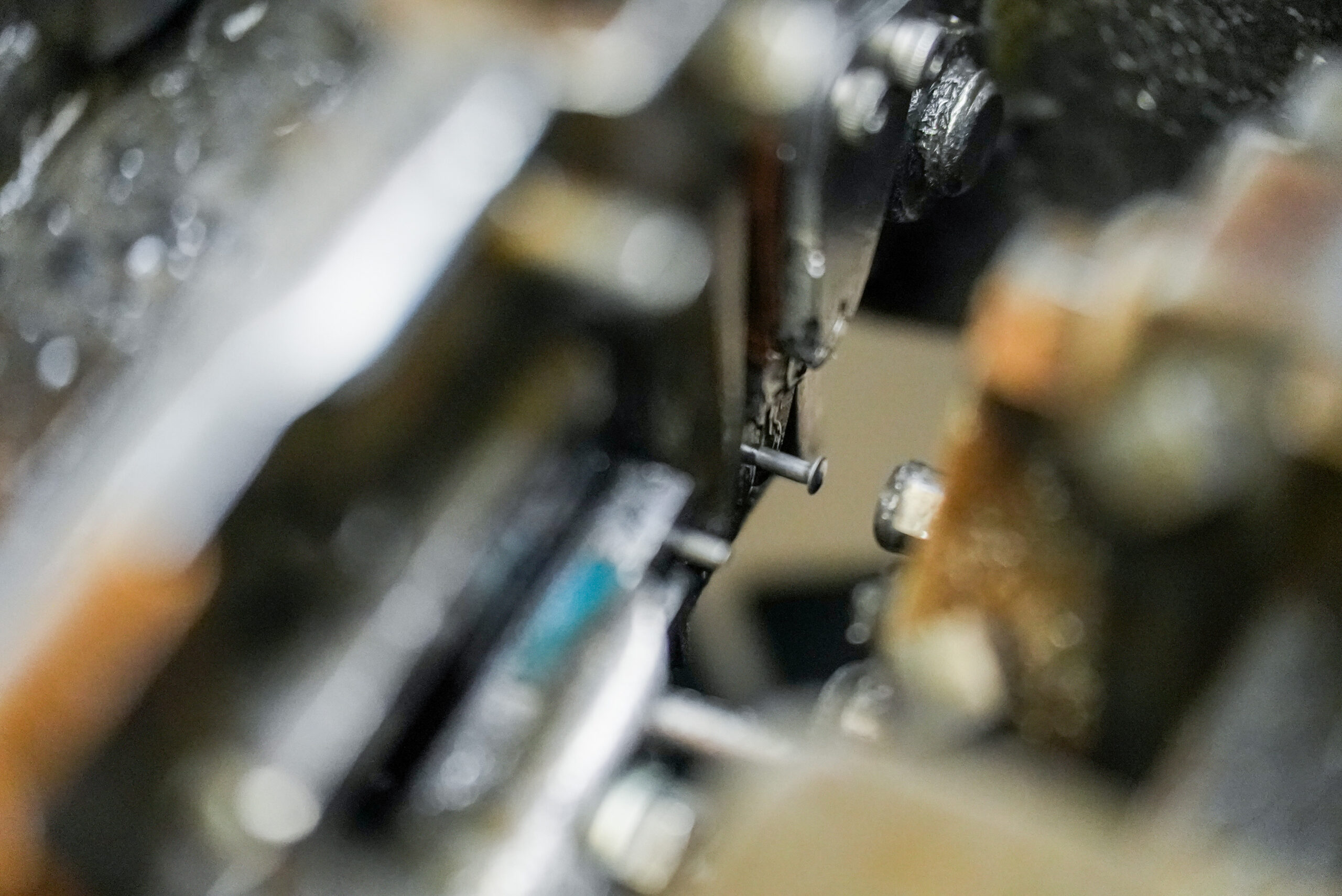
Prairie Rivet manufactures semitubular rivets in Steel, Stainless Steel, Aluminum, Brass, Copper, and Monel to address mechanical strength and corrosion requirements. The wire range spans .084 to .242 inches, and body diameters vary from about .084 to .247 depending on the family. Representative part families show practical choices: A-1 (oval head) Body Diameter .084 – .089, Max Length 1; A-2 (truss head) Body Diameter .084 – .089, Max Length 1; C-1 (oval head) Body Diameter .118 – .123, Max Length 2; D-1 (oval head) Body Diameter .140 – .145, Max Length 2. These examples illustrate how material and dimension selections meet specific joint and strength needs.
How Prairie Rivet Guarantees Tensile Strength and Dimensional Precision
Prairie Rivet uses cold heading (also called cold forming) to produce semitubular rivets—shaping heads and bodies without cutting material, which preserves grain structure and improves strength. Our six-step quality assurance process begins with visual inspection of incoming material and continues with visual and dimensional checks during order setup. Machines are calibrated to each order’s specifications before production, and parts are checked up to five times per hour for consistency. Any deviation is documented and corrected immediately, with a final visual inspection before shipment. These controls, along with ISO‑9001 alignment, support tensile performance and tight dimensional control for critical fastening applications.
Types of Semitubular Rivets Manufactured by Prairie Rivet
Prairie Rivet classifies semitubular rivets by head style, body diameter, and application class to guide part selection for production lines and field repairs. We produce Oval Head, Truss Head, and Flat Head rivets across the .084 to .242 wire range, with body diameters from .084 to .247 and head diameters from .144 to .505. Head thickness typically runs from .023 to .098, hole diameters from .063 to .182, and hole depths from .063 to .182. Max lengths commonly range from 1 to 2 inches, and radius values vary from .010 to .030 by family. These options cover uses from delicate electronics to heavier structural assemblies.
Semitubular rivets can pierce and clinch materials such as leather, corrugated substrates, plastic, rubber, and fabric without pre-punched holes, making them versatile for mixed-material assemblies and cost-sensitive production. Organizing rivets by size and head style simplifies selection: small diameters suit electronics and light fixtures, while larger families like G-1 and G-2 support heavier assemblies and structural components.
Classification by Application and Size
Classification maps head style and body diameter to intended use: oval heads balance bearing and appearance, truss heads give a larger bearing area on thin materials, and flat heads provide a flush bearing surface. Body diameter ranges (.084 to .247) correspond to application classes—smaller diameters for electronics and fixtures, mid-range for HVAC and ladders, and larger diameters for automotive and brake components. Example choices streamline selection: A-1 and A-2 for compact fixtures, C-1 for medium assemblies, and G-2 for higher-load parts—reducing trial-and-error in prototyping and production.
Manufacturing Technologies That Differentiate Prairie Rivet Products
Cold heading (cold forming) is our primary manufacturing method, enabling high-speed production with minimal scrap and consistent geometry. This process preserves material strength and yields predictable part-to-part dimensions. Semitubular rivets formed by cold heading typically require about 40% less force to install than solid rivets, lowering press size and tooling wear for automated lines. Those efficiencies translate into lower per-part costs and faster assembly cycles for high-volume operations.
Industries and Applications That Benefit from Prairie Rivet Semitubular Rivets
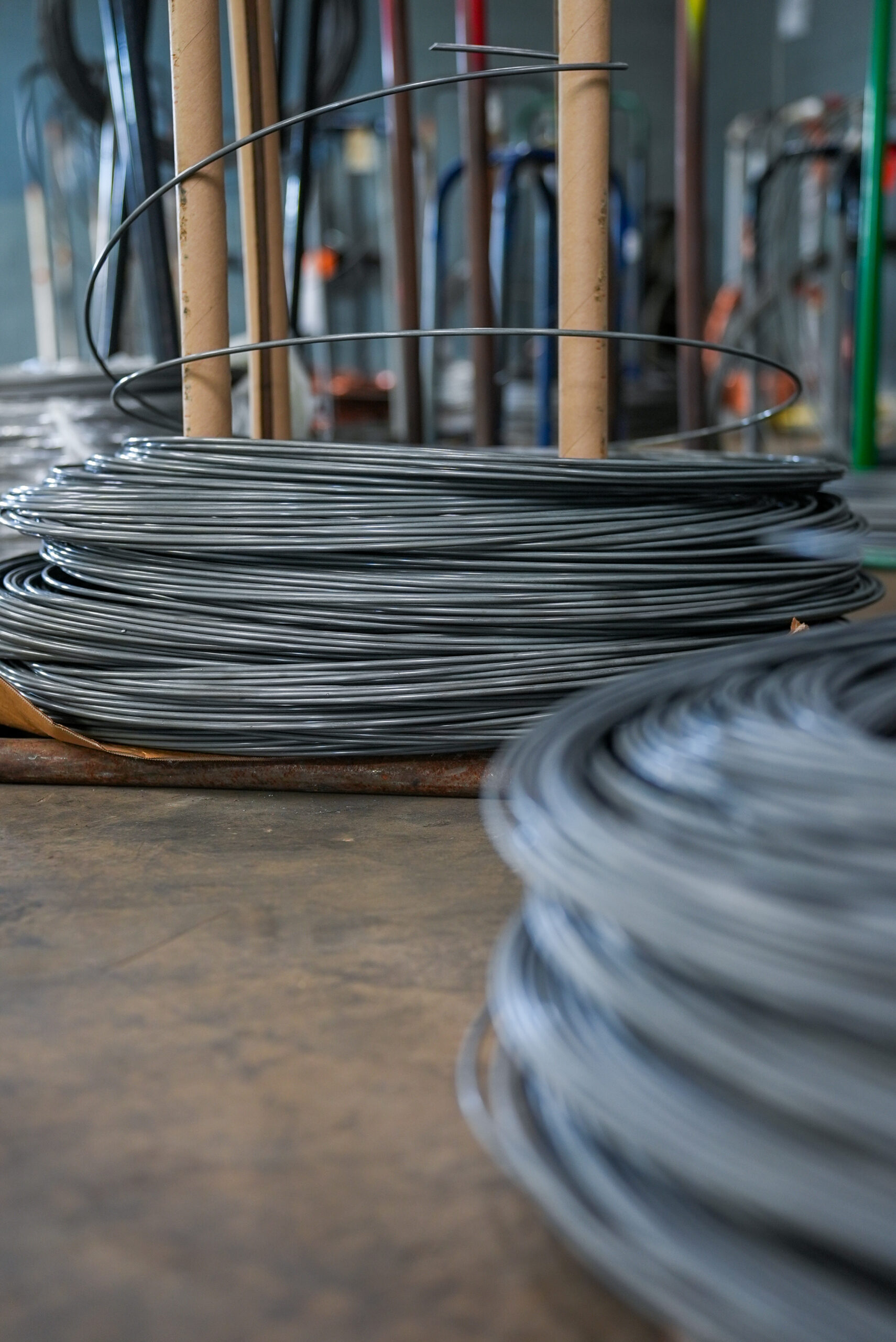
Semitubular rivets are favored across industries because they combine easy installation with solid joint performance and automation compatibility. Key sectors include HVAC, electronics, automotive, fitness equipment, and Department of Defense applications—each benefits from rapid assembly, dependable joints, and suitability for automated production. Typical uses include light fixtures, ductwork, electronic assemblies, ladders, and brake components, demonstrating the rivet’s versatility from light to load-bearing jobs. Their ability to pierce and clinch many materials and to be installed with air, hydraulic, or mechanical presses or hand clinch tools makes them practical across production environments.
Summary of industries and why they choose semitubular rivets:
- HVAC: Speeds duct assembly and component mounting to improve throughput.
- Electronics: Small diameters and low installation force protect delicate parts.
- Automotive: Durable, repeatable joins for interior trim, brackets, and some structural components.
- Fitness Products: Reliable fastenings for frames and equipment under dynamic loads.
- Department of Defense: Robust, serviceable fastening solutions for specialized equipment.
Prairie Rivet’s product lines and custom options are built to meet distributor and OEM requirements, offering consistent quality and production capabilities that support high-volume assembly.
Common Sectors Using Prairie Rivet Semitubular Rivets
HVAC manufacturers use semitubular rivets for ductwork and component attachment because they speed production and simplify inspection. Electronics OEMs pick smaller diameters where low installation force reduces damage risk. Automotive suppliers use mid- to large-size families in trim, bracketry, and selective structural joints for cost-effective, repeatable joins. Fitness-product makers choose rivets for frames and assemblies that see repeated dynamic loads. The Department of Defense applies semitubular rivets in specialized gear where field serviceability and reliable joints are critical.
How Prairie Rivet Products Improve Fastening Performance
Prairie Rivet semitubular rivets typically require about 40% less installation force than solid rivets, reducing equipment cost and extending tool life. Their automation compatibility supports high-speed assembly with consistent installed quality, minimizing human error and cycle time. They can join different materials and often pierce and clinch without pre-drilled holes, removing process steps. Compared with threaded fasteners, semitubular rivets offer a cost-effective solution that delivers strong joints for tight clearances or hinged assemblies while enabling clear visual inspection after installation.
Why Prairie Rivet Semitubular Rivets Are an Optimal Fastening Solution
Semitubular rivets deliver advantages that suit both automated and manual production: fast installation, dependable joint strength, and lower installation force. Cost benefits come from minimal scrap during cold-heading, reduced per-joint labor, and lower tooling needs versus threaded alternatives. Durability is reinforced by our disciplined QA and precision manufacturing, and cosmetic requirements can be addressed with rivet caps. Together, these attributes make semitubular rivets a versatile, economical choice across many product categories.
Core advantages include:
- High-speed assembly: Speeds production cycles and reduces labor cost.
- Lower installation force: About 40% less force than solid rivets.
- Automation friendly: Adapts to air, hydraulic, or mechanical press systems.
- Cost effective: A lower-cost alternative to threaded fasteners with minimal scrap.
Why Choose Prairie Rivet for Consistent Quality and Craftsmanship?
Prairie Rivet combines cold-heading expertise with strict quality controls to deliver consistent parts and workmanship. Our six-step QA process includes incoming material inspection; ongoing visual and dimensional checks during order processing; machine calibration for each job; continuous in-process checks up to five times an hour; immediate documentation and correction of any issues; and a final inspection before shipment. Backed by ISO‑9001 practices and deep experience in metal joining, these steps ensure reliable semitubular rivet performance for demanding applications.
How Prairie Rivet Supports Customers with Tailored Solutions and Service
We work with customers to customize head styles (oval, truss, flat) and materials (Steel, Stainless Steel, Aluminum, Brass, Copper, Monel) to match application needs and aesthetic preferences. Prairie Rivet offers fast turnaround from prototype to production, high-speed manufacturing to control unit cost, and quality processes that provide traceability for critical supply chains. For technical guidance or application-specific support, our engineering and operations teams collaborate with distributors and OEMs to optimize rivet selection, tooling, and production integration.
Prairie Rivet focuses on manufacturing high-quality semitubular rivets for industrial fastening, emphasizing precision production, consistent quality, bespoke solutions, and responsive customer service. Distributors and OEMs evaluating semitubular options can rely on Prairie Rivet for technical support to align specifications, tooling, and production needs with their application objectives.